
State-to-State Auto Transport | Saginaw, TX
Car Trail Transport helps customers explore state-to-state auto transport for long-distance vehicle moves across the United States. Whether you are relocating, purchasing a vehicle from another state, or arranging delivery for a family member, we help you consider suitable shipping options based on your route, vehicle, schedule, and transportation needs.
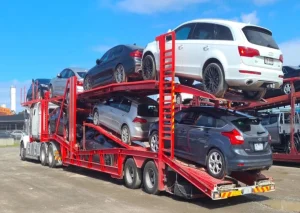
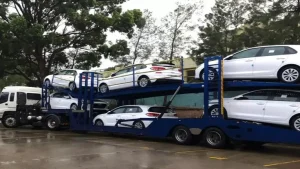

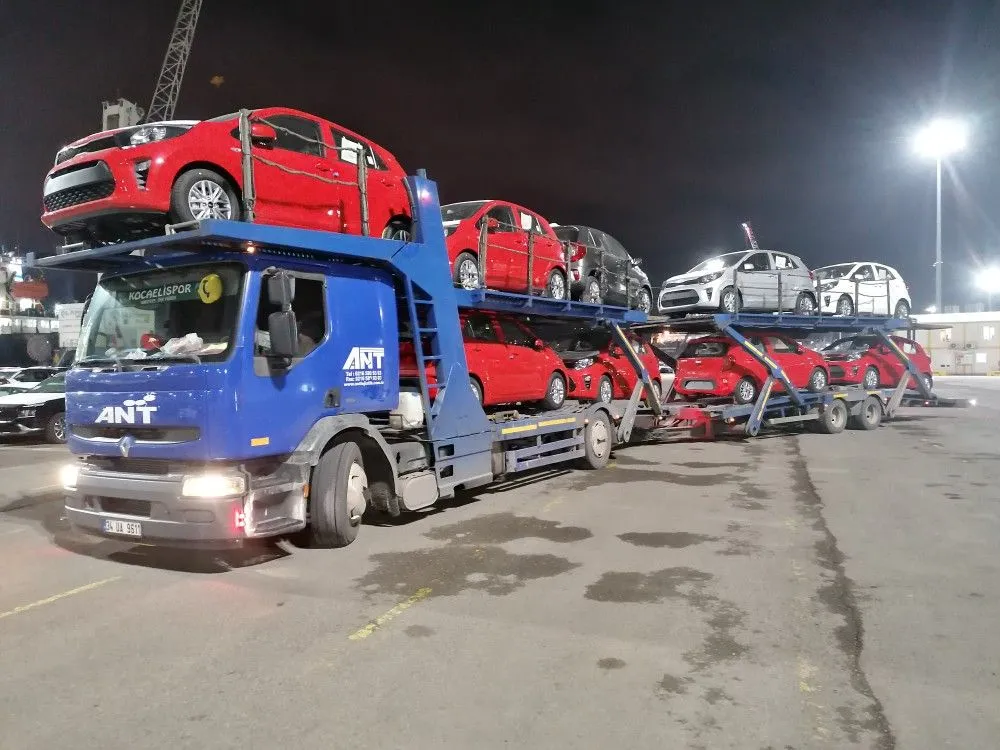
State-to-State Auto Transport Services
Moving a vehicle between states can be challenging when driving the entire distance is inconvenient, expensive, or impractical. Long-distance trips require time, fuel, overnight stops, and additional planning. State-to-state auto transport offers an alternative by arranging professional vehicle transportation between your chosen pickup and delivery locations.
Car Trail Transport helps customers explore interstate vehicle shipping options for relocations, vehicle purchases, family moves, and other transportation needs. From Saginaw, Texas, customers can discuss shipping arrangements for destinations across the country, subject to route coverage and carrier availability.
What Is State-to-State Auto Transport?
State-to-state auto transport involves moving a vehicle from a pickup location in one state to a delivery location in another.
The vehicle is typically transported on an open or enclosed carrier, depending on the selected service and the carrier’s equipment. Customers can discuss whether door-to-door pickup and delivery are suitable for their addresses.
Interstate shipping can help vehicle owners avoid driving long distances themselves. It can also simplify arrangements when the owner and the vehicle need to reach the destination on different schedules.
Pickup windows and delivery estimates depend on the route, carrier availability, loading schedules, weather, traffic, and other operational factors.
Who Uses Interstate Car Shipping?
State-to-state vehicle transportation can be helpful for many different situations.
Families relocating: When moving for work, education, or personal reasons, shipping a vehicle can help reduce the number of long-distance driving arrangements required.
Online vehicle buyers: Customers purchasing cars from out-of-state sellers may use vehicle transport to arrange delivery.
College students: Families can consider shipping a vehicle when a student moves to a university in another state.
Military and professional relocations: Individuals changing duty stations or jobs may prefer to arrange separate transportation for their vehicle.
Vehicle collectors and enthusiasts: Owners moving classic, specialty, or high-value vehicles can consider open or enclosed transport based on their needs.
Seasonal travelers: Some vehicle owners arrange shipping when moving between residences or spending extended periods in another region.
Choosing the Right Transport Method
The right method depends on your vehicle, budget, and protection requirements.
Open car transport is commonly used for everyday vehicles and may be the more economical option on many routes. Enclosed car transport provides a covered shipping environment and may suit classic, luxury, exotic, or collector automobiles.
Door-to-door service focuses on convenient pickup and delivery near specified addresses, subject to safe access and carrier restrictions.
These options can sometimes be combined. For example, a customer moving from Texas to another state might request enclosed transport with pickup and delivery arranged near residential addresses, if the route and equipment allow it.
How State-to-State Car Shipping Works
Step 1: Request a Quote
Provide the pickup and delivery locations, vehicle make and model, condition, preferred dates, and desired transport method. Accurate details help the provider evaluate the shipment.
Step 2: Review the Transportation Arrangement
Before confirming a booking, review the written quote and agreement. Clarify the total price, payment terms, pickup window, delivery estimate, cancellation provisions, insurance information, and the role of the transportation provider.
Step 3: Prepare Your Vehicle
Remove personal belongings unless authorized, document existing vehicle damage, and disclose any mechanical problems or modifications. Confirm any requirements regarding fuel level, keys, and paperwork with the assigned carrier.
Step 4: Coordinate Pickup
Keep your contact information current and ensure that an authorized person can release the vehicle. Review the inspection report and retain a copy of the shipment documentation.
Step 5: Receive and Inspect Your Vehicle
At the destination, inspect the vehicle and compare its condition with the original records. Document any new concerns promptly and follow the carrier’s claims procedures and deadlines.
Factors That Affect Interstate Shipping Costs
Several factors can influence the cost of shipping a vehicle between states.
Distance is important, but the specific route and carrier availability also matter. Vehicle dimensions, weight, operating condition, pickup and delivery access, transport method, and scheduling flexibility may affect the final price.
Busy routes may offer different carrier availability from remote destinations. Inoperable vehicles may require specialized loading equipment, while enclosed transport can involve additional costs compared with open transport.
For an accurate quote, provide the complete details of your planned shipment and review any proposed price adjustments before accepting them.
Planning Your Interstate Vehicle Shipment
It is useful to arrange vehicle transportation early, particularly if your relocation has a fixed date. Allow time to compare service options, confirm carrier availability, prepare the vehicle, and coordinate your own travel plans.
Avoid making nonrefundable travel arrangements based solely on an estimated delivery date unless your transportation agreement specifically guarantees the timing.
Keep copies of your quote, agreement, inspection documentation, and important communications until the shipment is complete.
Why Contact Car Trail Transport?
Car Trail Transport helps customers explore vehicle shipping services according to their individual transportation requirements. Our available service categories include open car transport, enclosed car transport, door-to-door auto transport, and state-to-state auto transport.
We encourage clear communication about pricing, timing, insurance arrangements, and pickup and delivery expectations.
Request a State-to-State Auto Transport Quote
Whether you are moving from Texas to another state or arranging delivery from another part of the country, Car Trail Transport can help you evaluate available options.
Call (817) 587-0458 to discuss your vehicle, route, schedule, and preferred shipping method.
Plan your interstate vehicle shipment with clear expectations and a transportation arrangement suited to your needs.
Auto Transport FAQs
Find answers to some common questions about car shipping and vehicle transportation.
1. How much does it cost to ship a car?
The cost depends on the shipping distance, vehicle size, pickup and delivery locations, transport method, carrier availability, and scheduling requirements. Enclosed shipping may cost more than open transport. Contact Car Trail Transport for a quote based on your specific shipment.
2. How long does car shipping take?
Transit time varies according to the distance, route, carrier schedule, weather, traffic, and pickup arrangements. Your transportation provider can supply an estimated pickup window and delivery timeframe after reviewing your shipment details.
3. Is open or enclosed car transport better?
Open transport is often a cost-effective choice for everyday vehicles. Enclosed transport offers additional protection from direct weather exposure and road debris, making it worth considering for classic, luxury, exotic, or collectible vehicles.
4. Can you pick up and deliver my car at my home?
Door-to-door transport aims to arrange pickup and delivery as close as safely and legally possible to your requested addresses. If a large carrier cannot access your street or driveway, an alternative nearby meeting location may be necessary.
5. How do I prepare my car for transportation?
Clean the vehicle when practical, remove personal belongings, photograph its existing condition, disclose mechanical issues, and prepare the keys and any required documents. Confirm the assigned carrier's specific preparation instructions before pickup.